

All About Italy With Kids: Important Information To Know

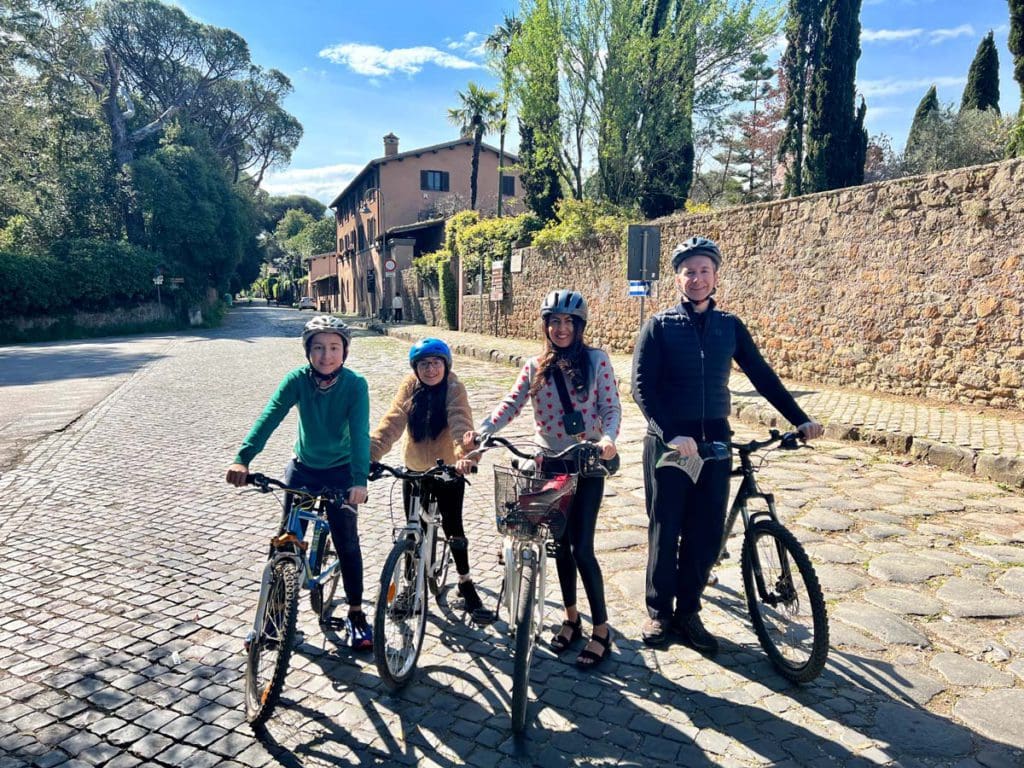
A family of four, atop their own bikes, poses along a stretch of road on the Appian Way, learning about things to do in Rome is an important part of knowing all about Italy with kids.
Photo Courtesy: Gunjan Prakash
Rome

Last Updated: May 2026

Author Note: Written by Gunjan Prakash, founder of Families Love Travel and a luxury family travel advisor with FLT Global Travel. Gunjan has traveled through Italy many times, including with her own children.

If you’re planning a trip to Italy with kids, there are a few important things to understand before you go. From currency and transportation to healthcare, language, and even babysitting services, having the right information upfront can make a big difference in how smoothly your trip goes.

The challenge is that this information is often scattered across different sources. That’s why we’ve put everything together in one place—so you can plan with confidence and avoid common mistakes.

In this guide, you’ll find essential tips for traveling in Italy with kids, along with practical advice you’ll actually use on the ground. And at the end, we’ve included ideas for things to do in Italy with kids, plus the best family-friendly hotels in Italy.

At a Glance

Italy With Kids: Quick Facts

Currency Euro (€)
Language Italian
Emergency Number 112
Best Time To Visit April to early June and September to October
Best For History, food, beaches, cities, countryside, hiking, skiing, and family-friendly culture
Best Transportation High-speed trains between major cities; rental cars or private transfers for countryside regions
Tip: If you are visiting during Easter, summer, or school breaks, book hotels, tours, trains, and major attractions early.

At a Glance

At a Glance: Before you visit Italy with kids, it’s helpful to understand the basics. Keep reading for key details on local currency, visa requirements, and other important information about Italy with kids.

If you need more help planning your Italy vacation with kids, you can also visit Italia.it for additional guidance and up-to-date travel information.

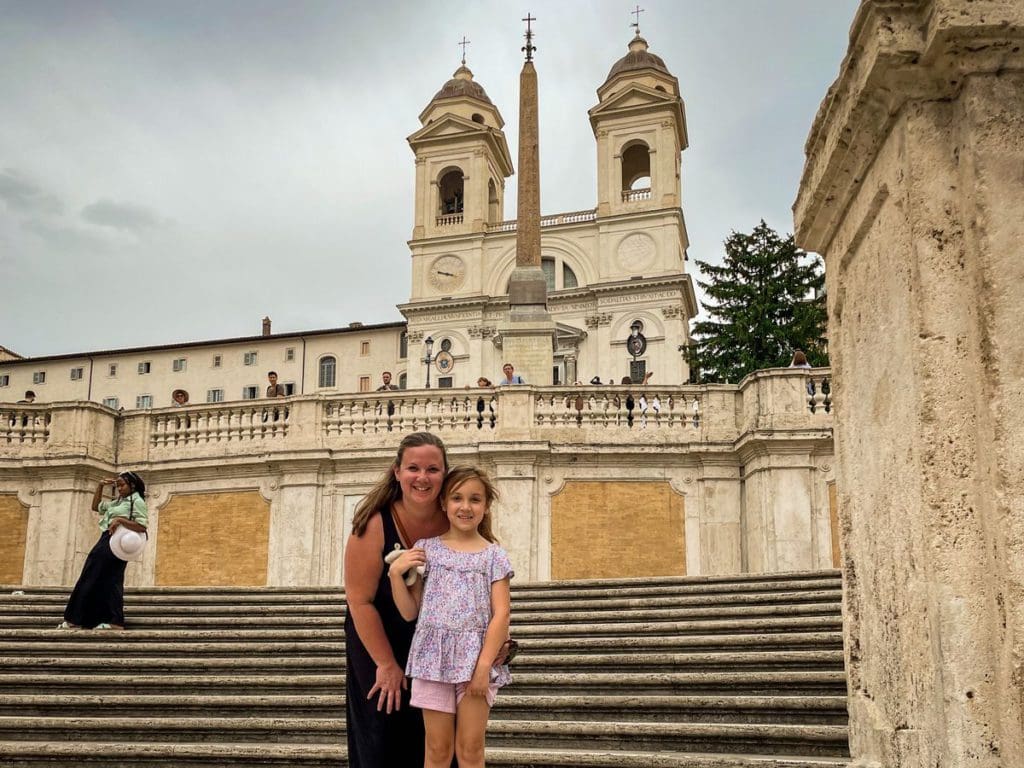
A mom and her daughter stand together on the Spanish Steps, with the Spanish embassy in the distance.
Photo Courtesy: Antonia Grant
Rome

Before you visit Italy with kids, you should learn the basics. Keep reading for local currency, visa information, and more information all about Italy with kids. If you need more help planning your Italy vacation with kids, feel free to check out Italy’s official tourism website for more information.

If you’re planning your itinerary next, don’t miss our detailed guide to
An Exciting 5 to 10-Day Rome Itinerary With Kids: What To Do And Where To Go, including what’s actually worth your time with kids.

Local Currency & Time

Wondering about the local currency in Italy and how families can get the best exchange rates? The currency in Italy is the Euro (€), and it is used throughout the country. Credit cards are widely accepted in hotels, restaurants, and larger shops, but it’s still a good idea to carry some cash for smaller purchases, taxis, cafés, and local markets. American Express is not always accepted in Italy, especially at smaller businesses, cafés, local shops, and family-run restaurants, so it’s smart to carry a Visa or Mastercard as a backup.

When paying by credit card in Italy, you may be asked whether you want to pay in Euros or U.S. Dollars. Always choose Euros. This is called dynamic currency conversion, and choosing your home currency often gives you a worse exchange rate or added fees. Let your own credit card company handle the conversion instead. 

Traveler’s checks are rarely accepted in Italy today, so they are not recommended. Instead, using a credit card with no foreign transaction fees or withdrawing Euros from ATMs in Italy is usually the easiest option.

Italy operates on Central European Time (CET), which is typically 6 hours ahead of Eastern Time in the U.S. During daylight saving time (usually late March through October), Italy follows Central European Summer Time (CEST), which is GMT+2.

Official Language & Visa Information

Italian is the official language of Italy, though English is widely spoken in major cities, tourist areas, and hotels. Learning a few basic Italian phrases can still be helpful, especially in smaller towns.

If you’re planning a trip to Italy, visa requirements depend on your nationality and the length of your stay. U.S. passport holders can currently travel to Italy and other Schengen Area countries for up to 90 days without a visa for tourism.

However, travelers from countries outside the U.S. may need to apply for a visa in advance, so it’s important to check the specific requirements based on your passport. You can find the most up-to-date information on visa policies and requirements through official government sources.

Looking ahead, travelers from visa-exempt countries (including the U.S.) will need to apply for an ETIAS travel authorization before visiting Italy once it is implemented. Read https://www.visahq.in/italy/ for more info.

“Always check requirements before booking, as entry rules can change.”

Power/Standard Voltage

If you’re traveling from the United States, you’ll likely need a plug adapter for your electronics and possibly a voltage converter for certain devices, such as hair tools, since U.S. appliances typically run on 110–120V. Many electronics, including phones, tablets, and laptops, are dual voltage, but it’s important to check each device before you travel.

Be sure to pack your own adapters, especially if you’re staying at an Airbnb, Vrbo, villa, or apartment rental, where extras may not be provided. Many hotels may have adapters or chargers available to borrow during your stay, but it’s not guaranteed—so it’s always best to bring your own.

Local Weather

Italy has a mostly Mediterranean climate, with hot, dry summers and cooler, wetter winters—especially in coastal regions. However, because the country stretches over 1,200 kilometers (736 miles) from north to south, the weather can vary significantly depending on where you go.

  • Northern Italy (Milan, Lake Como, the Dolomites) has colder winters and more seasonal variation
  • Central Italy (Rome, Florence, Tuscany) has mild winters and hot summers
  • Southern Italy (Amalfi Coast, Sicily, Puglia) tends to be warmer year-round

Spring (April–June) and early fall (September–October) are generally the best times to visit with kids, offering pleasant weather and fewer crowds.

You can check the current forecast on AccuWeather before your trip.

Health Information

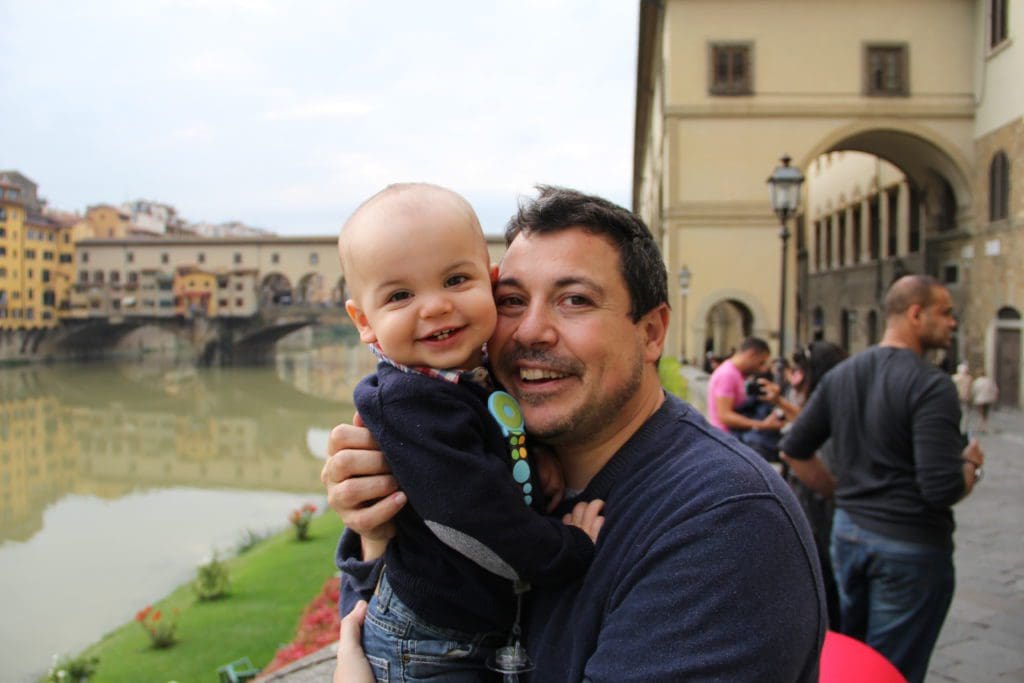
A dad holds a young baby with Ponte Vecchio in the distance, learning about things to do in Florence is an important part of knowing all about Italy with kids.
Photo Courtesy: Jessica Forse
Florence

Having the right health and safety information is an important part of visiting Italy with kids. Before your trip, make sure your children are up to date on routine vaccinations and that you have any important medical details easily accessible, including allergy information, prescription medications, and your child’s pediatrician’s contact information.

Vaccinations, Health Tips, & Hospitals

If you’re visiting Italy with young children, check the official CDC Travelers’ Health page for the most current vaccine and health recommendations before you go. The CDC currently emphasizes that international travelers should be fully vaccinated against measles with the MMR vaccine before travel. 

It’s also smart to look up hospitals or urgent care options near your hotel or vacation rental before your trip, especially if your child has allergies, asthma, food sensitivities, or other medical needs. In case of an emergency in Italy, dial 112, the single European emergency number. Italy’s official tourism website also lists 112 as the number to call in serious emergencies. 

For U.S. travelers, the U.S. Embassy in Italy also confirms that 112 can be used from any telephone in Italy to request immediate medical attention or an ambulance.

Emergency Services

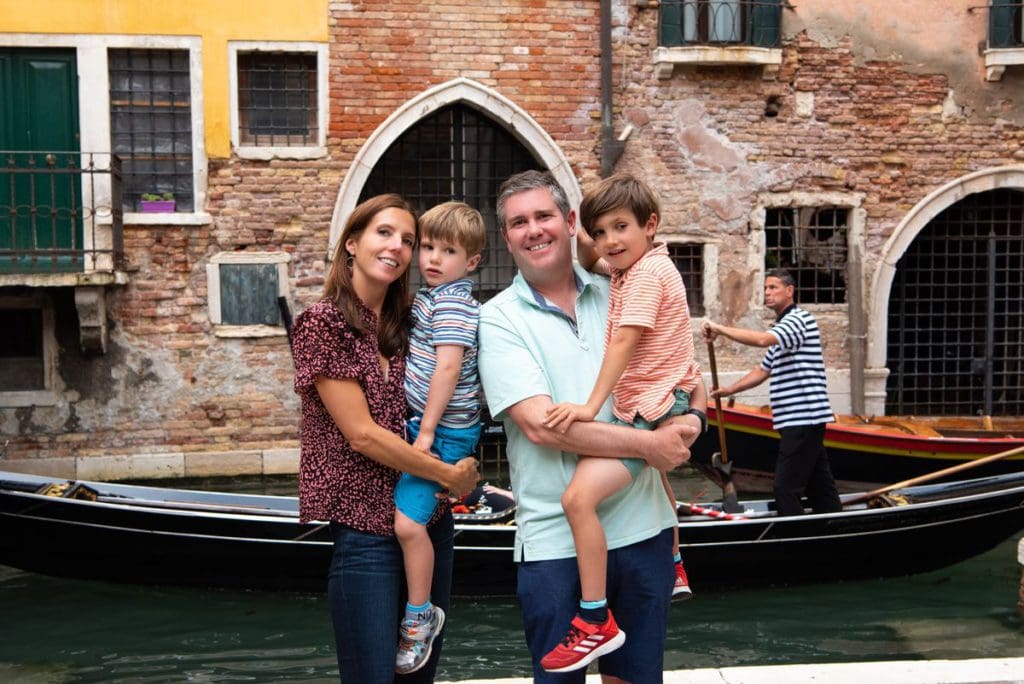
A family of four stands together with a Venetian canal and gondola behind them.
Photo Courtesy: Kelli Wein
Venice

In case of an emergency during your trip to Italy with kids, keep these numbers handy. The main emergency number in Italy is 112, which connects you to emergency assistance and can direct you to the appropriate service.

Police, Fire Department, Ambulance

For general emergency services in Italy, dial 112. You may also see these specific emergency numbers listed:

  • 112 — General emergency / police assistance
  • 113 — State Police
  • 115 — Fire Department
  • 118 — Medical emergency / ambulance

For most travelers, 112 is the easiest number to remember, especially in a stressful situation.

Safety Issues

If you’re visiting with your kids and want to know all about your destination, you may be wondering: Is Italy safe for families? In general, yes—Italy is considered a safe destination for family travel, especially in major tourist areas.

That said, families should still use common travel precautions. Pickpocketing and petty theft can happen in crowded areas, train stations, public transportation, and popular tourist sites, especially in cities like Rome, Florence, Venice, Milan, and Naples. Keep valuables secure, avoid leaving bags unattended, and be especially alert when boarding trains, waiting in stations, or navigating busy piazzas.

Families should also stay aware of local travel advisories before visiting. The U.S. Department of State currently advises travelers to exercise increased caution in Italy due to terrorism risk. This does not mean families should avoid Italy, but it does mean travelers should stay alert in crowded public places, tourist sites, transportation hubs, and large events. 

Overall, Italy is a wonderful and generally safe country to visit with kids, but smart planning and basic awareness can help your family avoid common travel problems.

Italy for Kids

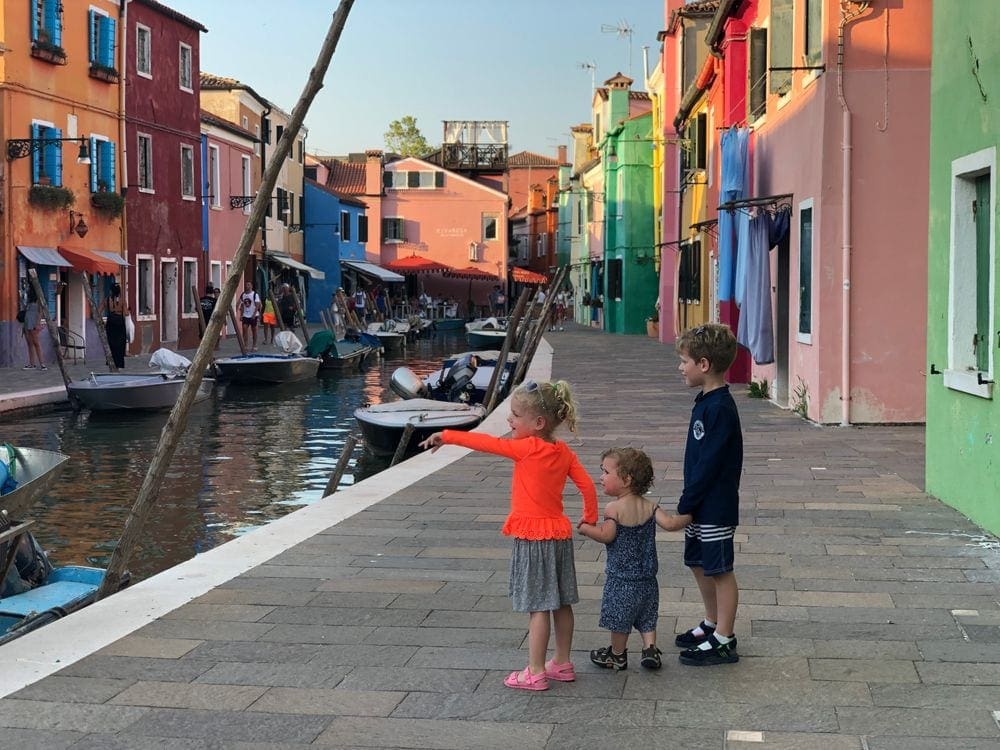
Three small children hold hands along a colorful street in Burano, Italy. One of the girls excitedly points across the canal.
Photo Courtesy: Chelsey Knealing
Burano

Visiting Italy with kids brings its own set of planning challenges, especially if you’re traveling with babies, toddlers, or younger children. Keep reading for helpful information on babysitting services, baby gear rentals, and other family-friendly resources in Italy.

Plan An Amazing Family Vacation To Rome With Kids!

Babysitting Services & Baby Gear Rentals

Looking for a romantic evening alone during your family vacation in Italy? Many major cities and tourist destinations offer babysitting services, including Rome, Florence, Milan, Venice, Naples, and the Amalfi Coast. Some luxury hotels can also arrange vetted babysitters or private nannies through their concierge, which is often the easiest option for families.

You can also look into family-focused services such as Angels Staff Services Association, which provides babysitters, nannies, and domestic staff for families living in or visiting Rome and other parts of Italy. Italia Kids also lists childcare resources by destination, including Rome, Milan, Naples, and the Amalfi Coast. 

If you’ve left your baby gear at home, don’t worry. Families can rent baby equipment in many parts of Italy, including strollers, cribs, high chairs, car seats, and other essentials. Baby gear rental availability varies by destination, so book ahead, especially during summer or school holiday periods. Services such as BabyQuip, MamaRent, Babonbo, and Rental4Kids offer baby gear rentals in parts of Italy, though coverage varies by city and region. 

Before booking any babysitting or baby gear rental service, confirm current availability, delivery locations, cancellation policies, and safety standards directly with the provider.

Transportation

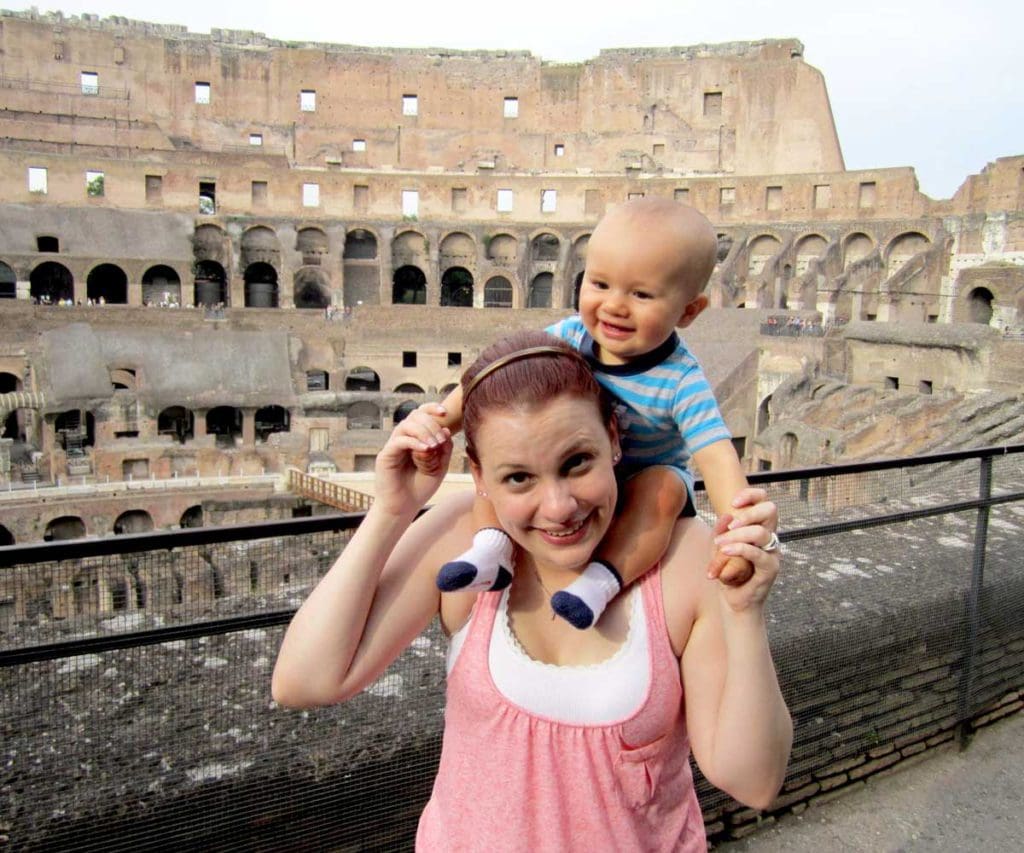
A mom holds her infant son on her shoulders, while walking around the Colosseum in Rome.
Photo Courtesy: Danielle Elizabeth Ramirez
Rome

Transportation is another important thing to consider when vacationing in Italy with kids. Whether you’re taking trains between major cities, hiring a private driver, renting a car, or using taxis, it’s helpful to understand the basics before you arrive.

Car Seat Laws

If you plan to ride in a car during your Italy vacation with kids, be sure to understand Italy’s car seat rules before traveling. In Italy, children under 150 cm tall must use an appropriate child restraint system, such as a car seat or booster seat, based on their size. Children should also wear seat belts whenever traveling in a vehicle fitted with them.

If you are renting a car in Italy and traveling with a child under age 4, ask the rental company about Italy’s anti-abandonment device requirement. ACI notes that when renting a vehicle registered in Italy, it is mandatory to use an anti-abandonment alarm device when carrying children under 4. 

For families, the safest approach is to reserve car seats in advance with your rental car company, private driver, or transfer service—and confirm the child’s age, height, and weight before arrival.

If you decide to rent a car in Italy, be extra careful with speed limits, limited traffic zones, and parking rules. Italy is known for issuing fines through traffic cameras, and travelers may not always notice the signs in the moment—especially in historic city centers. Fines can arrive weeks or even months after your trip, so drive carefully and avoid entering restricted ZTL zones unless your hotel or rental agency confirms you are allowed.

Transportation Services

Trains are often the easiest and most efficient way to travel around Italy with kids, especially between major cities. Italy’s rail network is extensive, and high-speed trains connect popular destinations such as Rome, Florence, Bologna, Milan, Naples, and Venice.

For families, trains can be easier than renting a car because you avoid traffic, parking, tolls, and navigating narrow city streets. However, renting a car may still make sense for countryside regions such as Tuscany, Puglia, Sicily, the Dolomites, or smaller villages that are harder to reach by train.

Children may also qualify for discounted train fares. Trenitalia states that children under 4 can travel free on national and regional trains if they do not occupy their own seat, while children over 4 and under 15 may qualify for children’s discounts on many national trains. Always check the fare rules directly before booking, since child fare policies can vary by train type, route, and operator.

For more details, check the official transportation resources for train travel in Italy with kids, including Trenitalia and Italo.

Rome Public Transportation

Rome is also relatively easy to navigate by public transportation, especially for families staying near central neighborhoods or major attractions. The city has metro lines, buses, trams, and urban trains operated by ATAC, and public transit can be useful for reaching places like the Colosseum, Vatican area, Spanish Steps, and Termini Station. That said, families with strollers, tired young kids, or luggage may still prefer taxis or private transfers for certain routes. Always check current routes and ticket options before you go. Rome’s public transport network includes metro, tram, bus, and urban railway services. 

Common Mistakes Families Make When Visiting Italy With Kids

Italy is one of the best countries to visit with kids, but a few planning mistakes can make the trip feel more stressful than it needs to be. Before finalizing your Italy family vacation, keep these common mistakes in mind.

Trying to Visit Too Many Cities

One of the biggest mistakes families make in Italy is trying to see too much in one trip. Rome, Florence, Venice, Tuscany, Amalfi Coast, Sicily, and the Dolomites may all sound tempting, but too many hotel changes can quickly become exhausting with kids.

For a 10-day Italy family vacation, two or three destinations usually feel much more manageable. Staying at least three nights in one place gives families time to settle in, adjust to jet lag, and actually enjoy each destination.

Booking Hotels Too Far From Attractions

Location matters a lot when visiting Italy with kids. A hotel that looks like a good deal may end up being frustrating if it requires long walks, multiple taxis, or complicated public transportation every day.

In cities like Rome, Florence, and Venice, staying closer to the main attractions or transportation hubs can make the trip much easier. This is especially important if you have younger children, need afternoon breaks, or want to avoid dragging tired kids across the city at the end of the day.

Not Reserving Major Attractions in Advance

Many of Italy’s most popular museums and landmarks require advance planning, especially during school breaks, Easter, summer, and holiday periods. Families should book major attractions like the Colosseum, Vatican Museums, Uffizi Gallery, Accademia Gallery, and popular food tours or cooking classes ahead of time.

Timed-entry tickets and child-friendly guides can make a big difference. Long lines, heat, and crowds can quickly make sightseeing difficult for kids.

Forgetting That Venice Has Bridges and Stairs

Venice is magical with kids, but it is not the easiest city with strollers, heavy luggage, or very young children. The city has many bridges, stairs, narrow lanes, and uneven surfaces.

Families visiting Venice with babies or toddlers may want to bring a baby carrier in addition to a lightweight stroller. It is also important to choose your hotel carefully so you are not carrying luggage and strollers over too many bridges.

Renting a Car When Trains Would Be Easier

A rental car can be useful in places like Tuscany, Sicily, Puglia, the Dolomites, and countryside regions. However, for major cities like Rome, Florence, Venice, Milan, Bologna, and Naples, high-speed trains are usually easier for families.

Driving in Italian cities can be stressful because of traffic, parking, narrow streets, speed cameras, and restricted traffic zones known as ZTL zones. Unless you truly need a car for the countryside, trains or private transfers are often the better choice.

Visiting Southern Italy in Peak August Without Planning Carefully

Southern Italy, Sicily, Puglia, Sardinia, and the Amalfi Coast can be beautiful in summer, but August can be extremely hot, crowded, and expensive. Ferragosto, the August 15 holiday period, is also when many Italians travel, and some smaller businesses may close for summer holidays.

If you visit southern Italy in peak summer, plan around the heat. Schedule sightseeing early in the morning, leave afternoons for swimming or rest, book restaurants and tours in advance, and avoid expecting kids to walk for hours in the sun.

Planning Too Many Activities in One Day

Italy rewards slow travel. Families often enjoy the trip more when they plan one main activity per day, then leave the rest of the day open for gelato, wandering, a playground, a beach break, or a long meal.

Kids do not need every museum, church, and landmark to have a memorable Italy trip. Sometimes the best moments are a gondola ride, a pasta class, a ferry ride, a piazza, or a gelato shop after a long walk.

Other Things to Know Before Visiting Italy with Kids
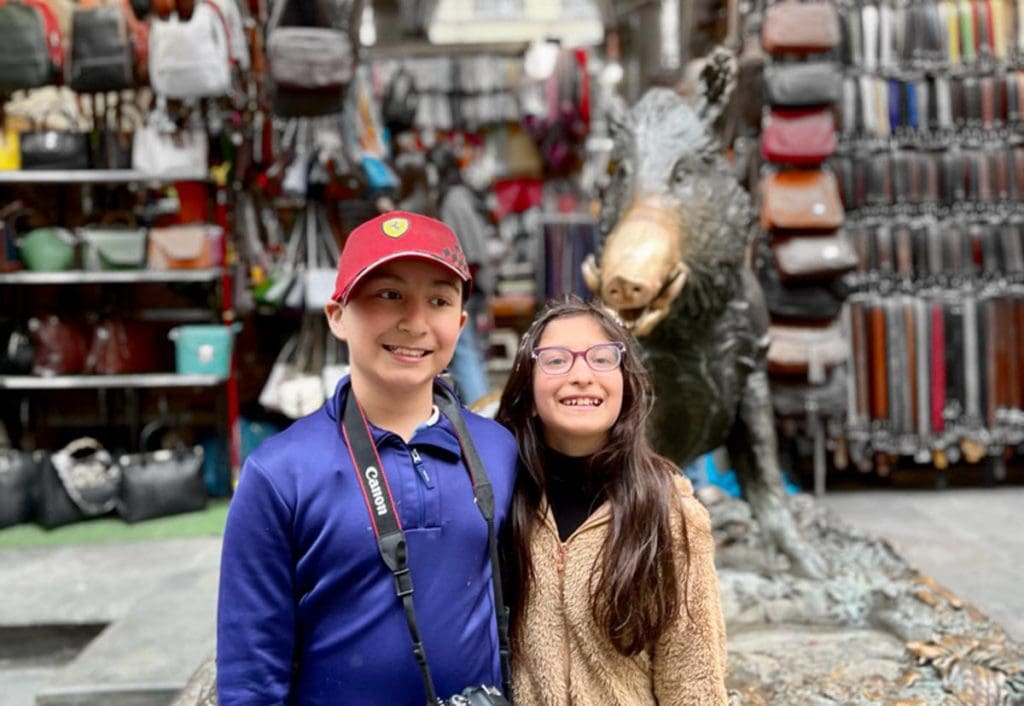
Two kids smile in front of the infamous Fontana Del Porcellino, learning about things to do in Florence is an important part of knowing all about Italy with kids.
Photo Courtesy: Gunjan Prakash
Florence

Searching for more tips about Italy with kids? From tipping customs and important holidays to family safety tips, there are a few more things families should know before visiting Italy.

Tipping Customs

Knowing about tipping in Italy can help families avoid confusion. Unlike in the United States, tipping in Italy is not required or expected in the same way. However, small tips are appreciated for excellent service, especially in tourist areas, hotels, private tours, and higher-end restaurants.

For restaurants, tipping depends on the type of service. If you order coffee, gelato, or a quick snack at the counter, tipping is not expected. At a sit-down restaurant, it’s fine to leave a few Euros or round up the bill for good service. In more upscale restaurants, leaving 5–10% for exceptional service is considered generous, but it is not required.

It’s also important to understand the difference between coperto and servizio. A coperto is a per-person cover charge, usually listed on the menu, and may cover things like bread, table settings, and service basics. It is not a tip for the waiter. A servizio is a service charge, and if it is already included on the bill, you do not need to leave an additional tip unless you want to recognize exceptional service.

For hotel staff, a small tip is appreciated. Families can tip porters around €1–€2 per bag and housekeeping a few Euros per day or at the end of the stay. For tour guides, private drivers, spa services, and special assistance, tipping is more common and can vary depending on the level of service.

As a general rule, keep some small Euro coins and bills on hand. Tipping in cash is often easiest, especially for guides, drivers, porters, and housekeeping.

Important Holidays

If you’re still deciding when to visit Italy with kids, check whether your trip falls during a public holiday or major local festival. Public holidays in Italy can affect museum hours, restaurant availability, transportation schedules, and crowd levels—especially in popular cities like Rome, Florence, Venice, Milan, and Naples.

Major holidays to keep in mind include EasterLiberation Day on April 25, Labor Day on May 1, Republic Day on June 2, Ferragosto on August 15, All Saints’ Day on November 1, and the Christmas/New Year period. Ferragosto is especially important for families to know because many Italians travel during this time, and some smaller businesses may close for summer holidays.

Easter is also an especially busy time to visit Rome. Many travelers come to the city to attend Easter services and see the Pope at the Vatican, while many schools in the U.S. and Europe also have spring break or Easter break around the same time. If your Italy trip falls during Easter week, plan carefully, book hotels and major attractions early, and expect larger crowds around Rome, Vatican City, and popular tourist sites.

Before finalizing your itinerary, check Italy’s official public holiday calendar and confirm opening hours directly with museums, restaurants, and tour providers.

Things to Do in Italy with Kids

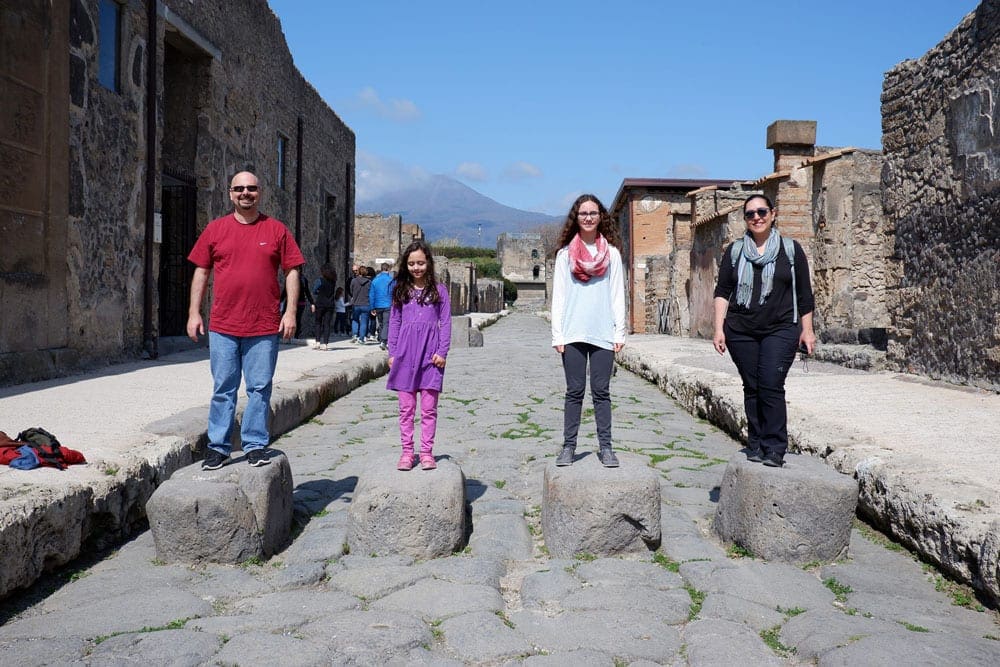
A family of four stands upon stones in the road of Pompeii.
Photo Courtesy: Shadi Coe
Pompeii

Once you’ve read through the most important information about Italy with kids, it’s time to start planning what to do. Luckily, Italy offers something for every type of family, from art and history to beaches, food, museums, ruins, and outdoor adventures.

Families can explore art, fashion, and culture in northern cities like Milan and Venice, or head to Florence and Tuscany for Renaissance history, family-friendly museums, countryside towns, and unforgettable food. In Rome, kids can travel back to ancient times while visiting landmarks like the Colosseum, Roman Forum, Pantheon, and Vatican Museums.

If your family loves the outdoors, Italy also has plenty to offer beyond its cities. In summer, the Dolomites are fantastic for families with active kids, with scenic hikes, alpine lakes, cable cars, biking, and outdoor adventures. In winter, the Dolomites are one of the best regions in Italy for family ski vacations, with beautiful mountain scenery and excellent ski resorts.

If your family would rather spend time by the sea, consider Sicily, Puglia, Sardinia, the Amalfi Coast, or Liguria for beaches, swimming, boat trips, and relaxed family time.

One of the best parts of visiting Italy with kids is the lifestyle. From long family lunches to evening walks known as a passeggiata, Italian culture naturally makes space for children and family time. With the right pacing, families can enjoy Italy’s history, food, and local traditions without feeling rushed.

For more inspiration, read our guide to the 10 Best Places to Visit in Italy With Kids.

Reserve your tours in Italy with Getyourguide or Viator!

Where to Stay in Italy with Kids

Blue loungers await guests at the rooftop terrace of Hotel Lungarno, with a sweeping view of Florence, including the iconic Duomo, learning where to stay is an important part of knowing all about Italy with kids.
Photo Courtesy: Hotel Lungarno
Florence

Looking for the best places to stay in Italy with kids? Once you’ve learned the most important information about Italy with kids, it’s time to choose the right place to stay. For families, where you stay in Italy can make a big difference—especially when it comes to walking distance, transportation, room size, stroller access, and how easily you can get back to the hotel for breaks.

Many families choose to stay in larger cities such as Rome, Florence, Venice, Milan, Naples, or Palermo and use them as a home base to explore nearby areas. This can work well if you want access to museums, restaurants, train stations, and major attractions. In smaller towns or countryside regions such as Tuscany, Puglia, Sicily, Lake Como, or the Amalfi Coast, families may prefer a villa, apartment-style stay, agriturismo, or boutique hotel with more space.

When booking hotels in Italy with kids, look carefully at room configurations, connecting rooms, elevator access, breakfast options, air conditioning, and proximity to transportation. Some historic hotels and apartment rentals may have stairs, smaller rooms, or limited amenities, so it’s important to check details before booking.

Families can book directly with hotels, through trusted booking platforms, or with a travel advisor who understands family travel in Italy. For more complex trips—especially multi-city Italy itineraries, villa stays, private transfers, train logistics, or luxury hotels—FLT Global Travel can help design a smoother Italy family vacation with carefully selected hotels, family-friendly experiences, and VIP-style planning support.

You can also compare options through sites like Hotels.com, Expedia, Vrbo, Airbnb, and Plum Guide, but always read the fine print on cancellation policies, fees, sleeping arrangements, and location before booking.

Save money on your family vacation to Italy by booking with Expedia! 

Luxury Family Travel Planning

Planning a more seamless Italy family vacation?

FLT Global Travel can help with family-friendly hotels, private transfers, vetted guides, villas, train logistics, and custom itineraries designed around your children’s ages, pace, and travel style.

Frequently Asked Questions About Visiting Italy With Kids

1. Is Italy kid-friendly?


Yes, Italy is very kid-friendly and one of the easiest European countries to visit with children. Italians are generally warm and patient with kids, and the food is a major advantage for families. Many children enjoy pizza, pasta, gelato, panini, seafood, and simple cheese or meat plates.
Italy also offers a wide range of family-friendly experiences, from cooking classes and painting workshops to ancient ruins, beaches, gondola rides, hiking, biking, skiing, and countryside stays. The key is not trying to do too much. Italy is best with kids when you leave room for breaks, gelato stops, long meals, and slower exploring.

2. What is the best age to take kids to Italy?


Italy can work well for almost any age, but the best destination depends on your children’s ages and interests. Toddlers and younger kids usually do better with fewer hotel changes, a slower pace, and places where families can settle in, such as Tuscany or a relaxed coastal area.
Preteens and teens can often appreciate Italy more deeply. Rome is excellent for kids interested in history, culture, and ancient ruins. Venice is exciting because of the canals and gondola rides. Sicily works well for families who want history, beaches, food, and culture. The Dolomites are wonderful for active kids and teens who enjoy hiking, biking, skiing, and outdoor adventures.

3. What is the best time of year to visit Italy with kids?


The best time to visit Italy with kids is usually spring or fall, especially April, May, early June, September, and October. The weather is generally more comfortable, and families can avoid some of the extreme summer heat and crowds.
Easter can be very busy in Rome because many travelers visit for Easter events and to see the Pope at the Vatican. Many schools also have spring break or Easter break around that time, so families should book hotels, tours, and attractions early.
Summer can still be wonderful, especially for beaches, lakes, and mountain destinations, but Rome, Florence, Venice, Sicily, and southern Italy can be extremely hot. August is especially tricky because of heat, crowds, and Ferragosto, when many Italians travel and some smaller businesses may close.

4. How many days do you need in Italy with kids?


For a first Italy family vacation, 10 days is a good amount of time if you choose only two or three destinations. Trying to visit too many cities in one trip can become exhausting, especially with jet lag, packing, unpacking, train transfers, and long sightseeing days.
A good rule is to stay at least three nights in one place whenever possible. Families with toddlers or younger kids may be happier choosing one region and exploring from a central base. For example, a Tuscany villa stay, Rome plus Florence, or Venice plus the Dolomites may feel easier than rushing through four or five different cities.

5. What are the best places to visit in Italy with kids?


Some of the best places to visit in Italy with kids include Rome, Florence, Tuscany, Venice, Sicily, Lake Como, the Dolomites, and select coastal areas. Each destination works for a different type of family.
Rome is best for history, ruins, and culture. Florence is compact and manageable for families, especially with older kids. Tuscany is ideal for a slower villa stay, cooking classes, truffle hunting, countryside towns, and multigenerational trips. Venice feels magical for kids because of the canals, gondolas, and boats, though it can be harder with strollers. Sicily offers beaches, history, food, and culture. The Dolomites are excellent for hiking and biking in summer and skiing in winter.

6. Is it better to travel around Italy by train or car with kids?

For major cities such as Rome, Florence, Venice, Milan, Bologna, and Naples, high-speed trains are usually the easiest way to travel around Italy with kids. They help families avoid traffic, parking, tolls, and stressful city driving. Trenitalia’s high-speed Frecciarossa trains connect many major cities, and Trenitalia also offers child fare options, though families should always check the current rules before booking. 
A rental car can be useful in countryside regions such as Tuscany, Sicily, Puglia, and parts of the Dolomites. However, families should be careful with ZTL restricted traffic zones, speed cameras, parking rules, and narrow historic streets. Italy is known for traffic-camera fines, and travelers may not always notice signs in the moment. If your budget allows, private transfers can make the trip much easier in certain areas.

7. Do kids need car seats in Italy?

Yes. In Italy, children under 150 cm tall must use an appropriate child restraint system, such as a car seat or booster seat. Children over 150 cm must use regular seat belts. If you rent a vehicle registered in Italy and travel with a child under age 4, you should also ask about the anti-abandonment alarm device requirement. 
Families should reserve car seats in advance with rental car companies, private drivers, or transfer services. Always provide your child’s age, height, and weight before arrival so the correct seat can be arranged.

8. Is Italy stroller-friendly?

Italy is kid-friendly, but it is not always stroller-friendly. Many historic cities have cobblestone streets, uneven sidewalks, stairs, bridges, narrow lanes, and crowded piazzas. A lightweight travel stroller can help, but families should expect some challenges.
Rome and Florence are manageable with a stroller, but not always smooth. Venice is harder because of the many bridges and stairs. If you are traveling with a baby or toddler, a baby carrier can be very useful, especially in Venice, hill towns, museums, and crowded sightseeing areas.

9. Is Venice doable with a stroller?

enice is doable with a stroller, but it is not easy. The city has many bridges, steps, narrow streets, and uneven surfaces. Parents should expect to carry the stroller often.
That said, Venice can be magical with kids. Children often love the canals, boats, gondola rides, and ferry rides between islands. If you are visiting Venice with babies or toddlers, bring a lightweight stroller and a baby carrier. Also check your hotel location carefully so you are not dragging luggage and strollers over too many bridges.

10. Do Italian restaurants welcome children?


Yes, many Italian restaurants welcome children, and Italy is one of the easier destinations for family dining. Many kids enjoy pizza, pasta, gelato, bread, seafood, risotto, and cheese or meat plates.
The harder part is timing. Dinner in Italy often starts later than many American families are used to, and restaurants may not always open early. Families should book restaurants in advance during peak travel periods and research carefully, especially in tourist-heavy areas where restaurants may be less authentic. Cooking classes, pasta classes, pizza-making classes, food tours, and gelato stops are also excellent ways to make food part of the family experience.

11. Is Italy good for picky eaters?

Yes, Italy is usually excellent for picky eaters. Pizza, pasta, bread, gelato, fruit, simple grilled meats, and cheese are easy to find in many destinations. Gelato shops can also be a useful incentive for kids to walk, explore, and stay engaged during sightseeing.
Families with food allergies should be more cautious. Bring translated allergy cards, explain allergies clearly, and confirm ingredients before ordering. Some restaurants understand allergies well, but others may need very specific explanations.

12. What should families book in advance in Italy?


Families should book major attractions, tours, and popular restaurants in advance, especially during Easter, summer, school breaks, and holiday periods. The Colosseum, Vatican Museums, Uffizi Gallery, Accademia Gallery, popular food tours, cooking classes, and special-access tours can sell out.
A child-friendly guide can make a big difference at places like the Colosseum, Roman Forum, Vatican Museums, Pompeii, and Florence museums. Skip-the-line or timed-entry tickets can also be very helpful with kids because long waits in heat or crowds can quickly ruin the day.

13. Is the Amalfi Coast worth visiting with kids?

The Amalfi Coast is beautiful, but it is not always the easiest destination with babies, toddlers, or very young children. Many towns have steep streets, stairs, crowds, limited stroller access, and challenging transportation logistics. Positano in particular can be difficult with small kids because of the stairs and vertical layout.
For families, Sorrento or Ischia (technically not a part of Amalfi Coast) may feel easier than Positano, especially if you want a more practical base. If you visit the Amalfi Coast in summer, plan time on the water with boat trips or ferries, and avoid expecting kids to walk too much in the heat.

14. Where should families stay in Italy with kids?

Families should choose accommodations based on location, space, elevator access, air conditioning, and how easy it is to return for breaks. In major cities, a central location is often worth the extra cost because it reduces taxis, long walks, and transportation stress.
Hotels can be convenient, especially if they offer breakfast, concierge help, family rooms, connecting rooms, or a pool in summer. Apartments, villas, and agriturismos can also work very well for families who want more space. In Tuscany, renting a villa can be a wonderful option for families or multigenerational trips. In cities, apartments can offer more room, but families should check elevator access carefully, especially if traveling with a stroller.

15. Do families need travel insurance for Italy?

Travel insurance is not required for most visitors to Italy, but it is strongly recommended when traveling with kids. It can help with unexpected medical issues, trip delays, cancellations, lost luggage, or itinerary disruptions.
Families should also know that the main emergency number in Italy is 112, which connects callers with the appropriate emergency service. Italy’s official tourism site lists 112 as the emergency number to call if you are in serious difficulty. 

15. Do you need a travel advisor to plan Italy with kids?

Not always. Many families plan Italy trips on their own, especially with helpful resources like the Families Who Love To Travel Facebook group, where parents can ask questions and learn from other families who have traveled to Italy with kids.
But if the trip starts to feel overwhelming — especially with multiple cities, train logistics, villas, private transfers, family-friendly guides, or hotel decisions — FLT Global Travel can help create a smoother Italy family vacation designed around your children’s ages, pace, and travel style.

Happy Travels!

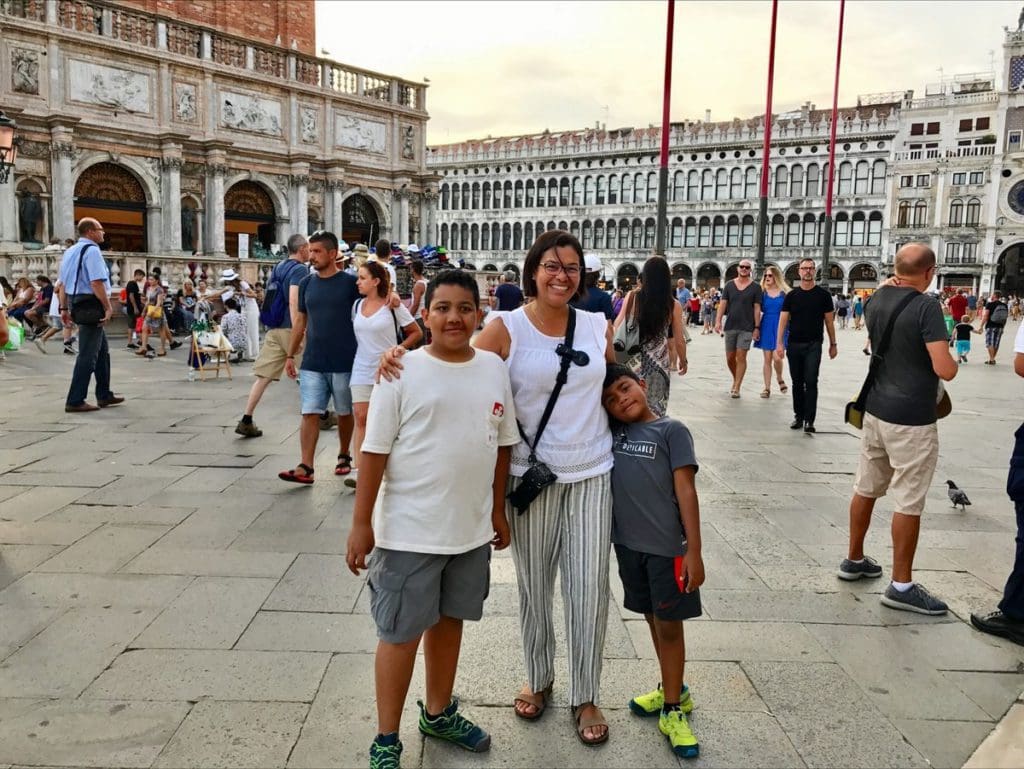
A mom and her two sons stand together with Piazza San Marco behind them.
Photo Courtesy: Edith Arteaga-Medina
Venice

We hope you found this guide to all about Italy with kids helpful as you plan your family vacation. From beautiful beaches and charming towns to priceless art, ancient history, incredible food, and family-friendly culture, Italy is one of the most rewarding places to visit with children.

With a little planning, the right pacing, and a thoughtful itinerary, your family can enjoy Italy without feeling overwhelmed. Whether you’re exploring Rome, Florence, Venice, Tuscany, the Amalfi Coast, Sicily, Puglia, Sardinia, or the Dolomites, there are so many unforgettable ways to experience Italy with kids.

Enjoy Italy with your family — and happy travels!

*This post may contain affiliate links that may earn us a small commission, at no additional cost to you. Affiliate links in no way inform the hotels, sights, products, or other recommendations included in our articles.

Families Love Travel is not liable for any injuries and/or damages to persons or property occurring as a result of your vacations influenced by the suggestions on this website. We are not responsible for any information on this website, such as recommendations for babysitting services, car rentals, or accommodations. All content provided is for informational and review purposes only. The information we provide is to make it easier for families to travel together and nothing more. Try the suggestions at your own risk. 

READ MORE:

Popular Reads
Portugal landscape
Three Weeks in Portugal With Kids

You’ve heard it before and the rumors are true - Portugal with kids is the go-to destination for a wonderful Read more

A dad and his young son look out the window of a chateau in France.
10 Best Museums in France with Kids

Any family considering taking kids on a trip to France knows that museums are inevitably part of the experience. France Read more

A mom and her young daughter swim in crystal blue waters near a boat off-shore in Malta.
10+ Helpful Tips For Visiting Malta With Kids

Malta, an archipelago in the central Mediterranean, is a great destination for families with kids. Known for its rich history, Read more

A mom holds her young toddler up to look at a tiny sculpture, as part of a tour in Budapest.
A Local’s Guide To The Best Things To Do In Budapest With Kids

Budapest is an amazing city with plenty of things to see and do, and it's even more fun when you're Read more

Thanks for reading!

Love our content?

Stay in the know by subscribing to our weekly newsletter.

Immerse yourself in a world of limitless exploration by joining us on Instagram at families.love.travel.

Join our vibrant Facebook community, "Families Who Love to Travel," (where family travelers like you can ask for advice and share tips with other families!).

Plus, you can read our latest articles by following our Facebook page.

Shop for Family Travel Memorabilia on Shop Families Love Travel.

Latest Articles

Child hiking trail through Yellowstone National park.

How to Plan a Yellowstone National Park Family Vacation

Everyone knows that Yellowstone National Park makes for a classic family vacation. Strolling the boardwalks...

Read More...
A family of five stands on a sandy beach on a sunny day in Turks and Caicos.

Best Beaches® Turks and Caicos Review By A UK Family

Beaches Turks and Caicos may not seem like a typical vacation destination for a UK...

Read More...
Three children swimming in blue water in Cayman Islands.

All About the Cayman Islands With Kids: Important Information You Need to Know

If you’re traveling to the Cayman Islands with kids, there’s some important information you need...

Read More...

Travel Gift Ideas

National Park With Kids

Family Travel Tips
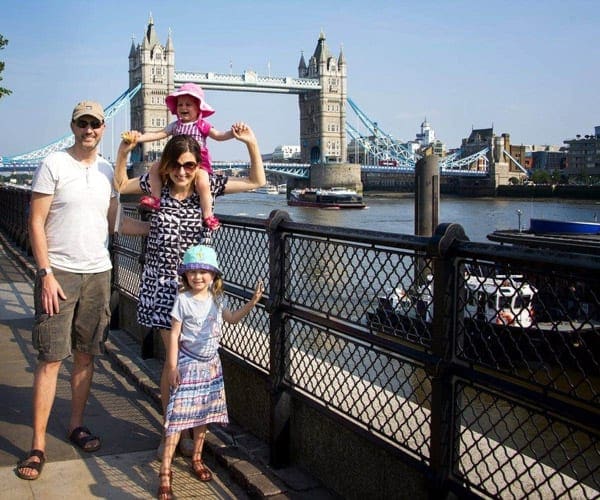
A happy family of four stands in front of the London Bridge, the youngest daughter rides on the shoulders of her mom.

What Are The Benefits Of Traveling With Kids?

When it comes to traveling with kids, many questions often arise. One I love to...

Read More...

What to Pack in Your Family’s Travel First Aid Kit

Pack these essential supplies for your family’s travel medical kit before your next vacation! As...

Read More...
Little girl with grandparents on vacation in Audubon Park in New Orleans

5 Reasons Kids Should Travel With Their Grandparents

I am a firm believer in the importance of multigenerational relationships (like those between grandparents...

Read More...

Pink banner Traveling with the baby Babyquip

Families Love Travel Team

The Families Love Travel Team has a zest for life and an even bigger passion for globetrotting! Comprised of real-life travel professionals, we work hard behind the scenes to provide dynamic solutions for adventuring with children. Our enthusiastic team understands the challenges that often accompany traveling with kids and is committed to making Families Love Travel an inclusive space to convey these experiences.